
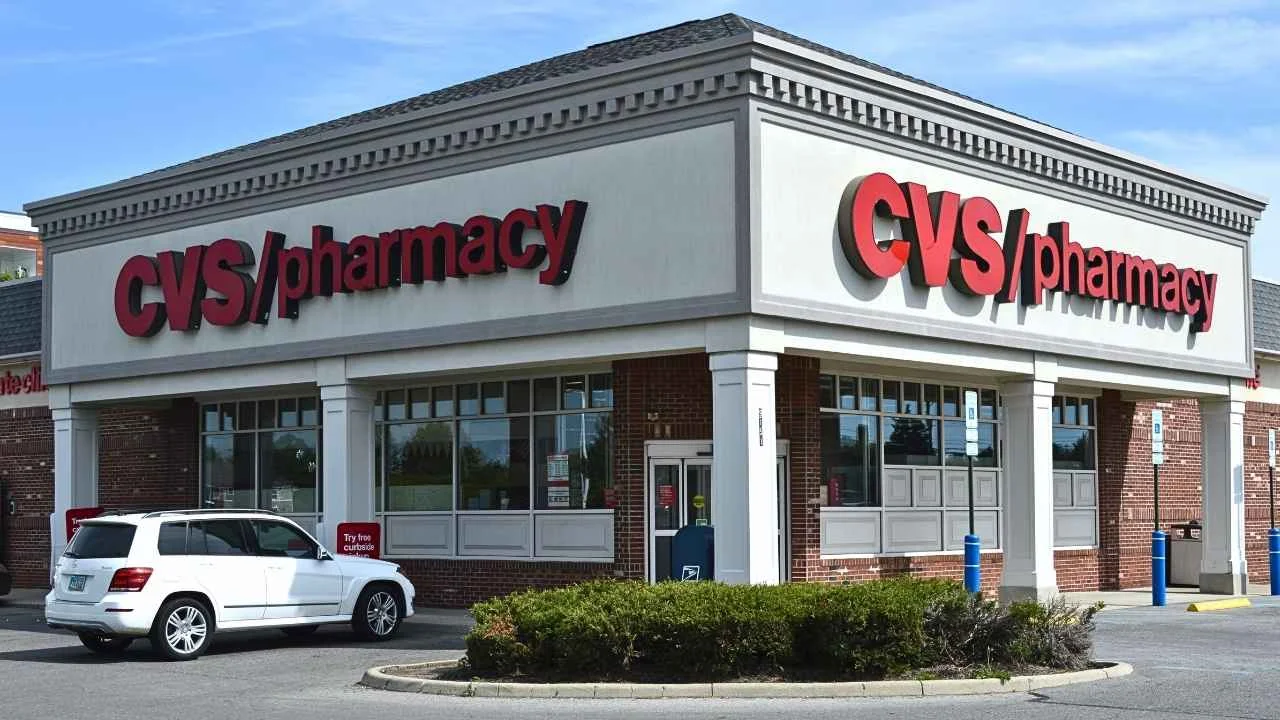
October 2025 — CVS Pharmacy said it is now serving more than 9 million former Rite Aid and Bartell Drugs patients after acquiring select assets of the bankrupt Rite Aid chain. The integration, completed this month, underscores CVS’s growing dominance in retail pharmacy and signals a new era of consolidation in the U.S. drugstore market.
Following Rite Aid’s May 2025 bankruptcy filing, CVS purchased 63 former Rite Aid and Bartell Drugs stores across Idaho, Oregon, and Washington, as well as prescription files from 626 closed pharmacy locations in 15 states. The move expands CVS’s physical presence and customer base while safeguarding access to prescription services in communities that lost local pharmacies.
“We’re helping maintain and expand access to convenient and trusted pharmacy care across the U.S.,” said Len Shankman, Executive Vice President and President of Pharmacy and Consumer Wellness at CVS Health. “From our innovative pharmacy care programs to our exclusive store brand products, we look forward to showing Rite Aid and Bartell Drugs patients all that CVS has to offer.”
Overview of the Acquisition
The acquisition is part of CVS’s long-term strategy to enhance its retail pharmacy footprint while reinforcing its role in national healthcare delivery. CVS said the conversion of all acquired locations is now complete, with former Rite Aid stores rebranded and operating under the CVS Pharmacy banner.
| Acquisition Details | Information |
|---|---|
| Acquiring Company | CVS Pharmacy (subsidiary of CVS Health) |
| Acquired Assets | 63 retail stores + 626 prescription files |
| States Involved | 15 U.S. states, primarily in the Northwest |
| Total Customers Migrated | 9+ million |
| Employees Hired from Rite Aid | Over 3,500 |
| Acquisition Completion | October 2025 |
The company distributed most prescription files to CVS stores located within three miles of former Rite Aid locations to minimize patient disruption.
Why Rite Aid Collapsed
Rite Aid filed for Chapter 11 bankruptcy protection in May 2025, less than a year after emerging from a previous restructuring effort that shuttered around 850 stores. The company’s debt load, declining sales, and extensive legal liabilities tied to opioid-related lawsuits left it financially strained.
Rite Aid said it was pursuing a value-maximizing sale of its remaining assets, eventually striking agreements with major competitors including CVS, Walgreens, Albertsons, Kroger, and Giant Eagle.
| Rite Aid Financial Struggles | Key Factors |
|---|---|
| Bankruptcy Filing | May 2025 (Chapter 11) |
| Previous Restructuring | Closed 850 stores (2024) |
| Primary Challenges | Debt, opioid litigation, declining sales |
| Stores Sold to Competitors | Over 1,000 pharmacy locations |
| Major Buyers | CVS, Walgreens, Albertsons, Kroger, Giant Eagle |
CVS’s Strategic Response
CVS positioned itself as a stabilizing force in the U.S. retail pharmacy landscape. The company has now:
- Hired over 3,500 former Rite Aid and Bartell Drugs employees, ensuring continuity of service.
- Invested in scheduling, training, and operational support for converted locations.
- Expanded customer care and digital tools through the CVS app and CarePass program.
The move also aligns with CVS’s vertical integration strategy, which includes Aetna (insurance) and Caremark (pharmacy benefit management), enabling the firm to streamline patient experience from prescription to payment.
“Our goal is to make CVS the front door of health in every neighborhood,” said Karen Lynch, CEO of CVS Health, during a recent investor update. “The Rite Aid acquisition accelerates our ability to serve more customers with convenience, care, and trust.”
Impact on U.S. Retail Pharmacy Landscape
The absorption of Rite Aid’s customers reinforces CVS’s position as America’s largest retail pharmacy chain, holding nearly 28% retail prescription share. With Walgreens and Walmart maintaining smaller but significant shares, the competitive gap is widening.
Industry analysts note that CVS’s expansion helps fill care gaps left by Rite Aid closures, particularly in smaller markets. However, consolidation also raises questions about competition and patient choice in regions with limited pharmacy options.
Dr. Samuel Ortega, a retail healthcare analyst at Frost & Sullivan, noted:
“CVS’s rapid integration of former Rite Aid stores demonstrates operational efficiency, but regulators will likely watch how market concentration affects pricing and local access.”
Recent Financial Performance
In its latest quarterly report (Q2 2025), CVS reported:
- 18% increase in same-store pharmacy sales
- 6% growth in prescription volumes
- Retail script share reaching 27.8%, partly due to Rite Aid spillover traffic
The expansion adds more than 9 million new pharmacy customers, positioning CVS for continued growth into 2026.
CFO Shawn Guertin said in a July statement that Rite Aid’s closure-driven customer migration helped boost both sales and loyalty sign-ups, particularly among older consumers and chronic-care patients.
Why It Matters?
The Rite Aid fallout underscores ongoing challenges in the U.S. pharmacy sector, including:
- High competition and low margins in retail prescription drugs.
- Rising operational costs due to labor shortages and supply chain disruptions.
- Legal and financial risks from legacy opioid claims and reimbursement disputes.
At the same time, CVS’s acquisition shows how consolidation and strategic hiring can maintain patient access and stabilize communities affected by large-scale closures.
“This isn’t just about growing footprint,” said Len Shankman of CVS.
“It’s about making sure Americans continue to have a trusted pharmacy in their neighborhood.”
FAQs
1. Why did CVS acquire Rite Aid stores?
CVS acquired select Rite Aid and Bartell Drugs stores to maintain prescription access in communities affected by Rite Aid’s bankruptcy and to expand its customer base.
2. How many customers has CVS gained from Rite Aid?
CVS said it has gained over 9 million former Rite Aid and Bartell Drugs customers.
3. What happened to Rite Aid employees?
CVS hired more than 3,500 former Rite Aid and Bartell Drugs employees to help manage the new and converted stores.
4. How close are CVS stores to the former Rite Aid locations?
CVS distributed most acquired prescription files to stores located within three miles of former Rite Aid sites.
5. What does this mean for U.S. consumers?
The acquisition helps ensure continuity of service and local access to pharmacy care, though it also reflects growing consolidation in the retail pharmacy industry.